Montessori baby toys aren’t just another parenting trend—they’re grounded in decades of education research and can directly shape your child’s focus, self-regulation, and sensory development from the very first months. This practical guide will show you the exact types of Montessori and sensory learning toys to buy for each developmental stage, how to check safety, how to care for them, and how to seamlessly weave them into your routine for maximum benefit.
Key Takeaways
- Montessori baby toys are intentionally simple, realistic, and made from real materials to amplify hands-on learning and minimize distraction.
- Developmentally aligned sensory input activates trillions of brain connections; age-appropriate toys accelerate attention, coordination, and language skills.
- Prioritize safety certifications (ASTM/EN71), smooth non-toxic finishes, and purposeful design to ensure both safety and optimal developmental value.
- What “Montessori baby toys” really mean — principles, not just aesthetics
- Evidence-based developmental benefits (what science actually shows)
- Developmental map — match toys & sensory modalities to ages
- Sensory learning toys — how each modality supports brain development
- Top Montessori toy types to buy (practical picks parents can shop for)
- Safety first — common parent complaints and how to avoid hazards
- Certifications, labeling & verification — what to require when buying
- Buying guide for “Montessori toys for 1 year old” — exact specs to look for
- Wooden baby toys — pros, cons, and what quality looks like
- Cleaning, maintenance & lifecycle expectations
- Integrating sensory play into daily routines — evidence-based tips
- Troubleshooting & FAQs — common parent worries answered
- Quick shopping checklist + 3 product briefs you can buy today
- Closing — how to prioritize between price, safety, and developmental value
- FAQ
What “Montessori baby toys” really mean — principles, not just aesthetics
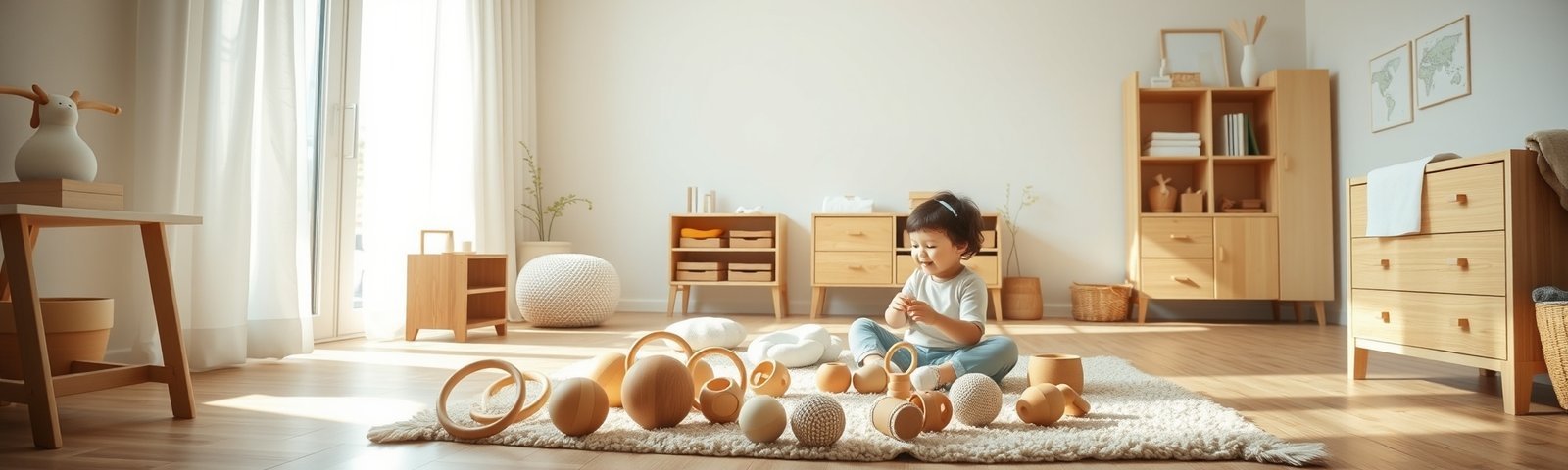
Montessori baby toys aren’t just pretty wooden blocks—they are intentionally designed to match core Montessori principles that boost genuine learning. These toys are:
- Purposeful — every toy has a clearly defined use, directly supporting a skill.
- Simple & single-purpose — no flashing lights, buttons, or multitasking; this encourages deep concentration instead of passive amusement (see research).
- Made of real materials — wood, cotton, wool—so babies learn from authentic textures and weight, not cold plastic.
- Self-correcting — the toy itself shows a child when something doesn’t fit, prompting problem-solving and persistence.
Montessori and other educational baby toys are shown to foster focus, hands-on play, and self-correction—key for cognitive and emotional wiring in the early years. Research confirms that the absence of lights and sounds enables deeper concentration, benefitting executive-function growth (source).
Evidence-based developmental benefits (what science actually shows)
Peer-reviewed research and decades of field data connect Montessori environments with advances in the following skills:
- Attention span & concentration: Toys with self-correcting design help babies focus longer and teach themselves through hands-on trial and error (source).
- Fine motor & hand-eye coordination: Simple manipulatives (grasping, stacking, inserting) exercise control, grip, and dexterity from an early age.
- Auditory discrimination: Subtle rattles, natural sounds, or “cause-and-effect” design invite babies to listen purposefully.
- Proprioception & vestibular sense: Rolling, pushing, and stacking toys support balance and body awareness—important even before walking starts.
- Language acquisition: Toys with realistic animal or household shapes, not abstract cartoons, help connect names, sights, and sounds.
- Problem-solving & cognitive flexibility: Montessori-aligned toys push children to rethink approaches and adapt, leading to measurable gains in creativity and flexible thinking (Denervaud et al., PLOS ONE, 2019).
Montessori and sensory learning toys for babyhood activate critical neural pathways through purposeful repetition and variety. Zero to Three research shows the first months are a period of unparalleled growth, with trillions of brain connections forming through tactile, audible, and visual exploration.
Developmental map — match toys & sensory modalities to ages
For best results, buy Montessori baby toys aligned with your child’s precise developmental needs. Here’s a proven age-stage map:
| Age Range | Stage Focus | Recommended Sensory Inputs | Sample Montessori Toy |
|---|---|---|---|
| 0–3 months | Visual tracking, early grasp reflex | High-contrast visuals, gentle movement | Black-and-white mobile or high-contrast cards |
| 4–6 months | Grasping, mouthing, early cause & effect | Different textures, safe rattles, soft wooden graspers | Wooden rattle or teether (like these picks) |
| 7–12 months | Transferring, two-handed play, banging | Sensory balls, open-ended blocks, basic stacking rings | Montessori object permanence box, textured sensory ball |
| 12–18 months | Walking, pulling, stacking | Push/pull toys, more complex shape sorters | Wooden push-along toy, chunky shape sorter |
| 18–36 months | Problem-solving, language, pretend play | Puzzle toys, realistic dolls, simple blocks | Simple two-piece puzzles, role-play wooden food set |
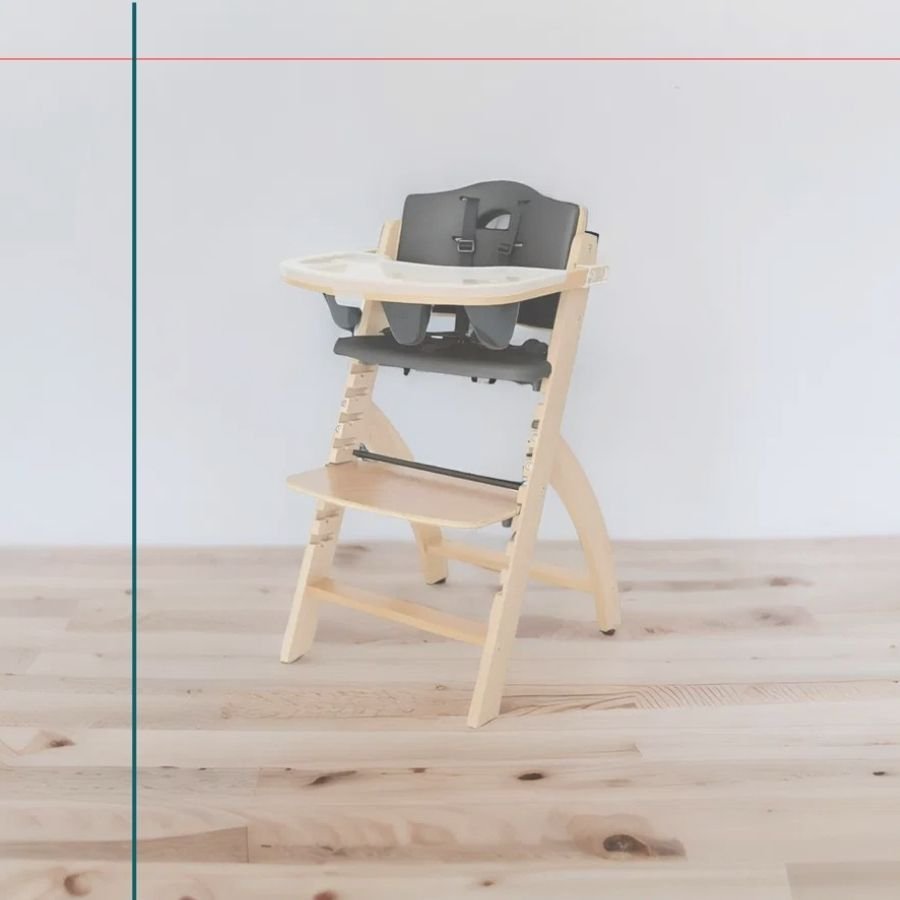
Each phase relies on tailored sensory learning toys. For example, wooden high chairs (covered here) and gross motor toys should align with sitting or walking skills, not be introduced too early.
Sensory learning toys — how each modality supports brain development
Every sense has a developmental job. Montessori and sensory learning toys for babyhood offer specific, research-backed support:
- Vision: High-contrast cards and simple trackers help develop the optic nerve and train visual attention from birth.
- Touch: Wooden baby toys with different grains, grooves, or cloth accents help build texture discrimination (critical for fine motor and language readiness).
- Hearing: Wooden rattles tuned for gentle sounds build auditory discrimination without startling or overstimulation.
- Vestibular/proprioceptive: Push-along toys, gentle rocking, and safe rolling items challenge balance and spatial awareness, even before independent sitting.
Well-matched sensory learning toys baby can make a major difference for children with sensory-processing differences, as they allow incremental, predictable exposure and skill-building. Check for smooth edges and secure assembly to prevent breakage and rough spots.
Top Montessori toy types to buy (practical picks parents can shop for)
Don’t waste money on elaborate “Montessori-inspired” sets filled with unused pieces. Instead, focus on these proven wooden baby toys and educational baby toys:
- grasping rattles/teethers (0–6 months): Build grip, soothe gums (examples).
- High-contrast cards/mobiles (0–6 months): Strengthen visual focus during the critical optic nerve development window.
- Sensory balls/blocks (4–12 months): Develop touch discrimination and gross motor abilities.
- Shape sorters/stacking rings (9–18 months): Teach size, sequencing, and persistence.
- Push/pull toys (12–36 months): Encourage gross motor activity and early walking.
- Open-ended blocks (all ages): Fuel creativity, problem-solving, and collaborative play.
Montessori toys are generally crafted from smooth wood, wool, or organic fabrics—always check for reputable finishes if your child is mouthing their toys.
Safety first — common parent complaints and how to avoid hazards
Even the best wooden baby toys and Montessori baby toys can present risks if poorly made or not checked carefully. Parent complaints often target:
- Splinters or rough/sharp unfinished edges
- Toxic paints, varnishes, or lead on vintage/cheaper toys
- Small detachable parts (choking hazard under 36 months)
- Parts that snap, crack, or break under moderate force
Use this checklist at purchase and arrival:
- Look for ASTM F963 or EN71 stickers—these guarantee minimum safety.
- Inspect for smooth finishes; run your thumb along every edge.
- Check manufacturers’ lists of materials and finishes (reject anything with “unknown” or “unspecified” ingredients).
- Squeeze and tug: any small piece should not come loose when twisted or tugged sharply.
- If in doubt about recalls or paint, visit the CPSC or European RAPEX recall databases.
Certifications, labeling & verification — what to require when buying
If you buy Montessori baby toys or wooden baby toys (new or vintage), always require these minimums:
- ASTM F963 (US) or EN71 (EU) safety certification
- CPSIA-certified lead limits (US), no harmful phthalates or bisphenols
- Clear labeling with manufacturer, batch number, and age rating (avoid “3+” if buying for babies!)
- Materials list: should specify type of wood, paint, and finish
- Third-party testing certification links—check validity on the agency website
Red flags: ambiguous age brackets, missing labeling, lack of any listed certifications, and product pages with only “eco-friendly” or “non-toxic” as vague claims. Research shows parents demand these protections—don’t compromise to save a few dollars.
Buying guide for “Montessori toys for 1 year old” — exact specs to look for
If shopping for Montessori toys for 1 year old (12–24 months), use this age-specific checklist:
- Size: over 1.25″ diameter (to exceed choking test cylinder)
- Weight: light enough to lift easily, but not so light it shatters
- Easy-grip design (chunky handles or curved shapes for small hands)
- Non-toxic finishes only (look for water-based sealants and colorants)
- Simple, single-operation toys: push, pull, stack, or sort—not battery-powered
- Washable/cleanable surfaces—prefer lacquered or unfinished wood, food-grade silicone inserts, or cotton fabrics
For example, Playroom Collective recommends shape sorters, wooden screw blocks, and basic stacking sets for this age, supporting mobility, coordination, and early speech (source).
For even more nursery essentials, see our New Mom Starter Kit for practical baby gear ideas.
Wooden baby toys — pros, cons, and what quality looks like
Wooden baby toys are a Montessori favorite for good reason:
- Pros: Durable, pleasing to touch, sustainable, and typically non-toxic when finished right. Natural grain and weight offer sensory depth not found in plastic.
- Cons: Budget wood can splinter or break under force; poorly finished surfaces crack and retain dirt. Some “eco” toys use ambiguous composite wood or recycled content that splinters more easily.
Assess quality by checking:
- Uniform, fine grain (not rough, knotted, or “furry”)
- All-visible surfaces sanded smooth (no rough grain on the inside of cut-outs)
- Screws and joins reinforce (not glue-only construction for moving parts)
- No chipped paint or sticky varnish—these are signs of shortcut finishes that will peel
Maintain by wiping with a damp cloth; avoid soaking. For more on modern nursery gear, explore our picks for baby wooden high chairs for practical, stylish options.
Cleaning, maintenance & lifecycle expectations
Proper cleaning and care keeps Montessori baby toys both safe and lasting. Here’s how:
- Wood: Wipe with a damp, soapy cloth. For deep cleaning, use diluted white vinegar. Avoid soaking; dry immediately.
- Fabric: Machine wash on gentle if possible or spot-clean with mild detergent. Air dry fully before use.
- Silicone: Wash with hot, soapy water, rinse thoroughly, and dry before storage.
Inspect for damage monthly: retire any toy with cracks, splinters, or loose parts. Most high-quality wooden toys last 2–3 years in a well-used rotation; discard on first sign of persistent mold or irreparable breaks. Sensory learning toys baby that get heavy mouthing may need more frequent washing—see product instructions for maximum safe cleaning frequency.
Integrating sensory play into daily routines — evidence-based tips
You don’t need elaborate schedules. Short, repeatable routines with sensory learning toys baby will prime the brain for development and keep playtime manageable:
- Morning sensorimotor set: 10–15 minutes of object tracking, rattles, or high-contrast cards, just after breakfast, when babies are alert.
- After-nap calm box: Two to three “quiet” tactile toys (soft blocks or smooth wooden animals) to transition back into play without overstimulation.
- Pre-bed tactile wind-down: Gentle, slow stacking or transferring exercises (not noisy push/pull toys) in the half-hour before sleep.
Increase complexity and introduce new toys when your baby easily masters each skill—every routine should be about building on prior success. For more family habit tips, check our guide to simple morning routines for moms.
Troubleshooting & FAQs — common parent worries answered
Practical solutions for frequent concerns:
- If a wooden toy splinters: Discard it immediately—even a small splinter is a choking hazard. Contact the manufacturer for a replacement or refund.
- When to introduce small-part toys: Only after your child reliably passes the “choke tube” test (~3+ years old), and never before 36 months unsupervised.
- Sensory overload signs: Flushed cheeks, turning away, staring, or fussing after new toys are introduced. Remove new toys, wait, and reintroduce slowly over several sessions.
- Safe teething alternatives: Choose only certified wooden or silicone teethers with no finish or water-based sealant.
- Balancing open-ended vs. directed play: Offer mostly open-ended toys for creativity (blocks, balls) but guide with specific purpose toys (sorters, puzzles) when introducing new concepts or skills.
Quick shopping checklist + 3 product briefs you can buy today
One-page printable checklist for Montessori baby toys:
- Appropriate age rating (matches child’s current development)
- Natural, non-toxic materials (wood, cotton, medical-grade silicone)
- Smooth, chip-free finish on all surfaces
- Certified ASTM F963 or EN71 tested
- Easy to wipe or wash clean
- Clear return policy and product warranty
3 Product Briefs:
- Infant High-Contrast Set: Simple black-and-white cards and a mobile—used from birth to 3 months for visual system development and early attention. Deep focus, no electronic distraction.
- 12–18 Month Grasp/Stack Toy: smooth wooden stacking rings: support hand-eye coordination, grasp, and dexterity—purposefully limited shapes for focus, not overstimulation (see top picks).
- Wooden Push/Pull for Toddlers: Durable, certified, weighted just right for early walkers—encourages balance, independence, and gross motor skill-building. Always check edge smoothness and assembly integrity.
For more baby essentials beyond toys, check our roundup of must-have breastfeeding products for new moms.
How to prioritize between price, safety, and developmental value
When buying educational baby toys or Montessori baby toys, prioritize in this order: (1) safety certifications and toxin-free construction, (2) clear developmental alignment for your child’s current skills, and (3) durability plus eco-friendliness. It’s worth splurging on daily-use essentials or the “core” toy for each stage, but you can confidently choose budget options for supplementary blocks or open-ended play—just don’t compromise on safety. Research shows Montessori materials deliver clear developmental gains through hands-on, focused play during sensitive periods (source). Select only what matches your child’s current abilities to avoid overwhelm and maximize benefit.
Ready to start? Shop smarter, clean often, and trust the science—Montessori baby toys can help your child grow safely, with more joy and real learning every day.
Need more practical baby gear tips? Check out our baby wooden high chairs guide and new mom routine advice for a calmer, more organized home.
FAQ
What is the most important safety check for Montessori baby toys?
Always check for third-party safety certification (ASTM F963 or EN71) and run your finger along all surfaces for splinters, chips, or loose parts before first use.
How many toys should I keep out at one time?
Keep only 2–3 Montessori baby toys available—rotate weekly to maintain interest and avoid overstimulation.
How do I clean wooden baby toys safely?
Wipe with a damp cloth and mild soap; for deeper cleaning, use diluted white vinegar. Never soak; always dry thoroughly before use.
When can I introduce toys with smaller parts?
After age 3, or once your child reliably passes the “small parts” test. For babies under 36 months, avoid anything with pieces smaller than 1.25 inches diameter.
What if my baby refuses to play with a new toy?
Put the toy away for a week, then reintroduce it later. Babies often show interest after a break or with demonstration.