Diaper backpack sales have surged in recent years, quickly becoming the go-to choice for parents who need comfort, style, and function without compromising on hands-free convenience.
Key Takeaways
- Diaper backpack adoption now outpaces classic diaper bags by 15 percentage points, thanks to hands-free ergonomics and modern design.
- Look for water-resistant materials, adjustable padded straps, and organized interiors to avoid the top user pain points.
- Average retail prices range from $70 to $120, but premium picks with robust warranties and smart specs offer the best long-term value.
- Why choose a diaper backpack over a traditional diaper bag?
- 2025 market snapshot every buyer should know
- Top 3 product shortcomings buyers keep complaining about
- “Hard” specs every product page must show (and the numbers buyers expect)
- How to position for travel and “large capacity” use
- Waterproofing, cleaning and durable materials to call out
- Ergonomics & organization features to highlight
- Price positioning and warranty copy that converts
- Product page and content checklist
- Quick editorial angles & CTAs for A/B tests
- FAQ
Why choose a diaper backpack over a traditional diaper bag?
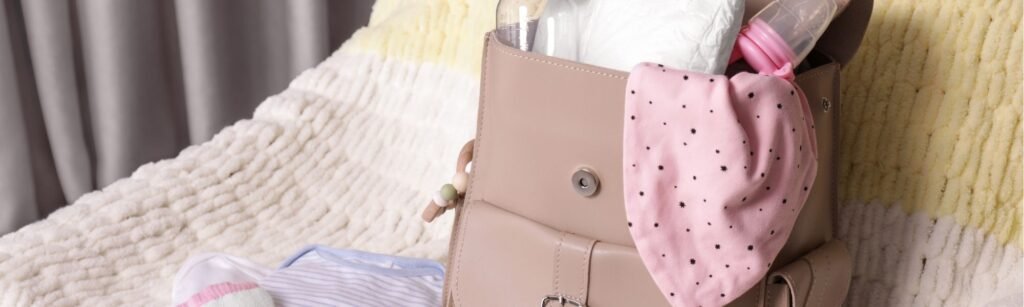
Diaper backpacks have overtaken standard diaper bags as the practical choice for modern, on-the-move parents. The reason is clear: they are hands-free, ergonomically designed, and equally fit all caregivers—no more sore shoulders or gear that clashes with your outfit. As of 2025, diaper backpack adoption outpaces traditional shoulder bags by roughly 15 percentage points, according to recent market research. These bags keep gear balanced, distribute weight evenly, and appeal stylistically to both moms and dads. For families facing busy city commutes, frequent travel, or who value a streamlined look, a diaper backpack is the best diaper bag alternative on the market.
2025 market snapshot every buyer should know
Diaper backpack sales are booming. The global diaper bag market reached about USD 350 million in 2025, with backpack styles scooping up around 40% of total sales (source). Segment growth is steady, with a 3% CAGR forecast through 2034. Expect to pay $70 to $120 for a quality unit. North America accounted for about 29% of market demand, while the Asia-Pacific region supplied $180 million (21%), with working-parent populations fueling growth. Parents opting for backpacks say they want fewer hassles and more functionality—exactly what this design delivers.
Top 3 product shortcomings buyers keep complaining about
The most common complaints on high-ranking diaper backpack reviews hone in on:
- Floppy bags that collapse or lose shape.
- Uncomfortable and hard-to-adjust straps. If the straps don’t fit or lack padding, the bag becomes a burden.
- Poor interior visibility and organization. Dark linings, few transparent pockets, and jumbled layouts slow down parents in urgent moments.
When researching brands, don’t skip the review photos. Look for comments on stability, strap comfort, and how easily caregivers find essentials inside.
“Hard” specs every product page must show (and the numbers buyers expect)
If you want to avoid unnecessary returns and answer parent questions right away, every large diaper backpack or travel diaper bag needs a clear, data-driven spec table. Here’s an ideal template:
| Specification | Recommended Value |
|---|---|
| External Size | 16 × 12 × 6 in (40 × 30 × 15 cm) |
| Internal Volume | 1.0–1.2 ft³ (≈28–34 L) |
| Empty Weight | 1.3–2.0 lb (0.6–0.9 kg) |
| Shell Material | Ripstop nylon or polyester (water-resistant or waterproof) |
| Base | Reinforced, wipe-clean, anti-slip |
| Straps | Fully adjustable, padded, plus sternum strap and optional stroller clips |
| Pockets | 7–12, with 2+ insulated for bottles and clear or contrast lining for visibility |
| Included Accessories | Changing pad, wet-bag, pacifier case (optional) |
| Warranty | 10 years or lifetime against manufacturing defects |
Stating these numbers upfront helps parents decide fast and avoids “will it fit under my stroller” or “is it big enough for travel?” doubts.
How to position for travel and “large capacity” use
To market a model as a travel diaper bag or large diaper backpack, emphasize a blend of roomy main compartment (1.0–1.2 ft³/28–34 L), wide zip openings, and smart pocket layout. You want easy bottle access, a spot for wipes, and quick-reach slots for phone, keys, and snacks. Many parents also want a tech/laptop sleeve for work commutes. Highlight airline carry-on compatibility: a bag that slides easily under the seat or in a car trunk hits the sweet spot for weekend travel and flight days. If possible, note TSA-friendly features or show photos of the bag in use at airports.
Waterproofing, cleaning and durable materials to call out
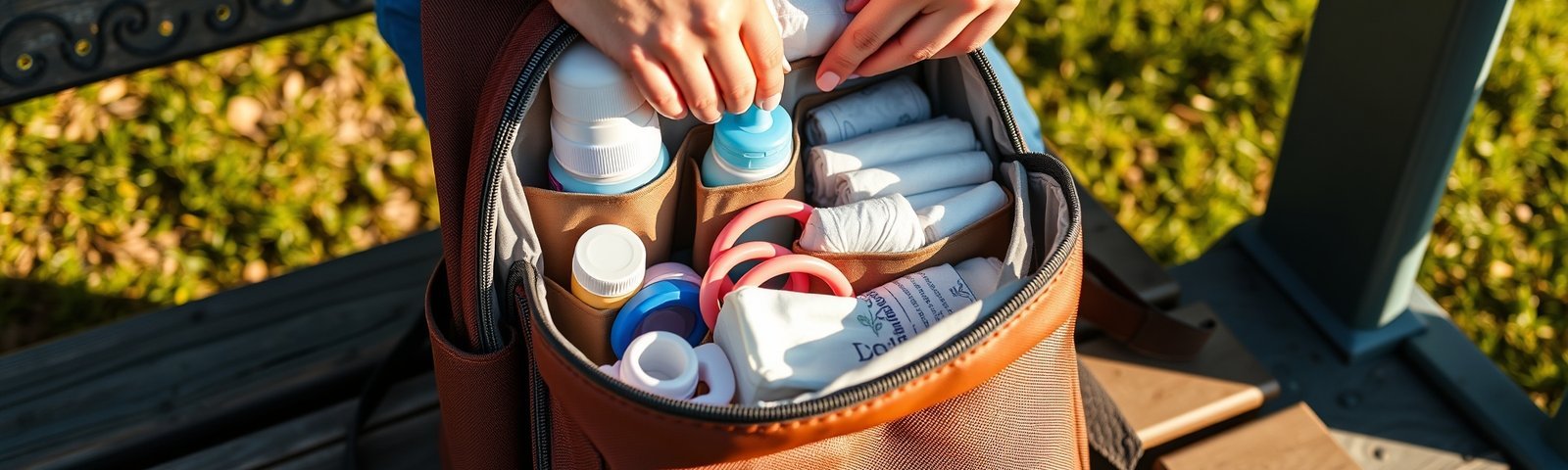
Modern parents expect a waterproof diaper backpack—but the reality is most bags are water-resistant, not fully submersion-proof. Look for ripstop nylon or high-grade polyester shells that repel rain and spills, plus reinforced bases that won’t soak through on wet playgrounds or airport floors. A washable or wipe-clean interior liner is essential. Brands like Dikaslon, for example, earn high marks for spill-resistant linings (see NBC Select). Clear cleaning instructions (machine washable panels, or safe for wipes) reduce parent anxiety. If eco-friendly or recycled materials are used, call this out—many buyers in the $70-150 band are happy to pay a premium for safety and sustainability.
Ergonomics & organization features to highlight
To directly address the biggest shopper complaints, feature the following must-haves on every diaper backpack product page:
- Foam panels or structured inserts that keep the bag upright, even when half empty
- Wide, easy-open zippers for fast access (especially critical for dad-sized hands or one-handed use)
- High-contrast or lighted interiors—some brands use yellow or white linings, or pop-in LED lights for night or low-light changes
- Labeled or transparent pockets for instant item ID (wipe compartment, bottle pockets, clothing slots)
- Insulated bottle pockets (ideally with elastic or zips to fit various bottle styles)
- Padded, fully adjustable shoulder straps plus sternum or waist strap for stability
- Stroller clips or snap-ons for easy buggy attachment
For best load distribution, use both shoulder straps and adjust the sternum strap so the weight sits across the upper back, not the neck. Always list these features with close-up photos and check that microcopy directly addresses comfort and ease of organization—these details build instant buyer trust.
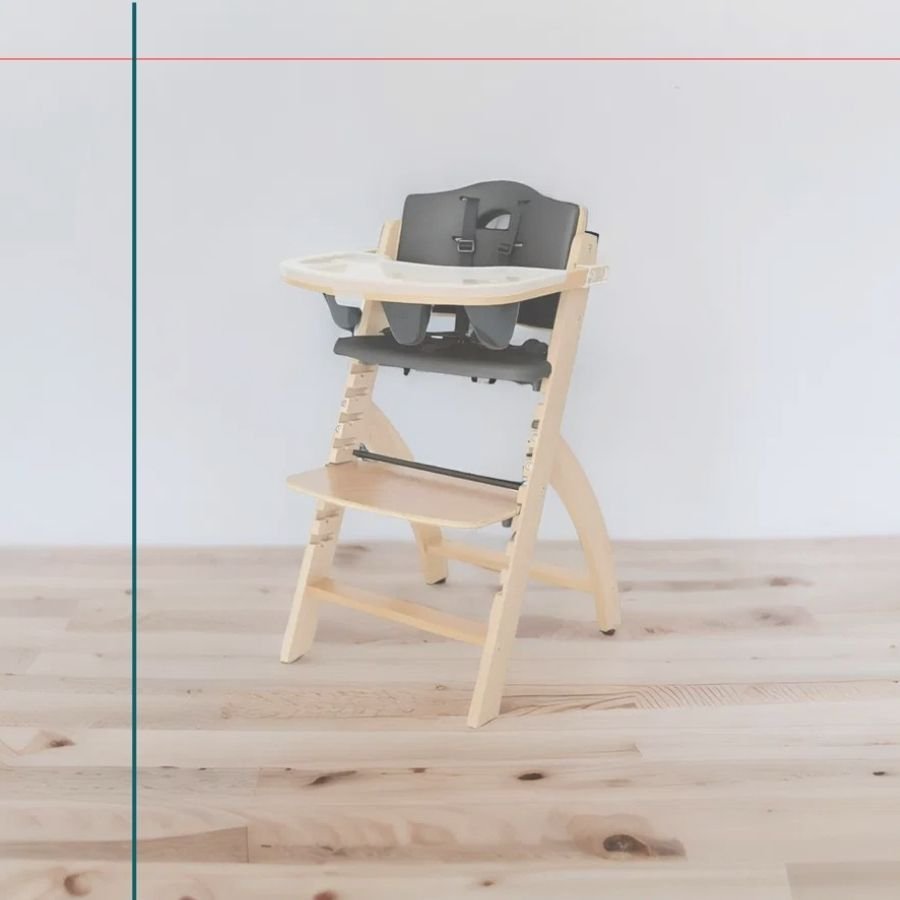
Want more tips on baby gear comfort for parents? Check out our best baby high chairs 2025 guide and see how ergonomic design matters in everything from feeding to daily family outings.
Price positioning and warranty copy that converts
The sweet spot for most diaper backpack buyers is $70–$120, though some well-reviewed brands command up to $150 with premium features and accessories. To justify higher prices, reinforce USPs like durable ripstop fabrics, smart pocket layouts, and comfort-tested straps. Above all, a robust warranty seals the deal—leading brands offer 10-year or lifetime coverage for manufacturing flaws (Wirecutter finds this reassures parents). Make sure your product copy explicitly states the warranty and what it covers.
Highlighting eco materials or boasting about real-world load tests also helps buyers see the value beyond the price tag. For comparison, check out our honest breastfeeding products review for how superior warranty language builds confidence—and reduces returns.
Product page and content checklist
Optimizing your diaper backpack or travel diaper bag product page goes beyond specs. Here’s a must-have content list for high-converting, review-proof listings:
- Hero/lifestyle shots front and back, showing the backpack in use by moms and dads of different sizes and builds
- Photo carousel (7–10 photos) with close-ups of pockets, bottle insulators, and a cleaning demo
- Short spec table with the size, capacity, weight, and material at a glance
- 3-line benefit bullets (“Won’t flop when not full,” “Fits all your day trip essentials,” “Straps won’t dig into your shoulders”)
- FAQ section answering returns, cleaning, and warranty
- Buyer’s summary (300–600 words) explaining who benefits most and what makes it a smart investment
- Comparison blurb showing why a backpack trumps a classic shoulder bag (cite backpack segment’s 40% share and faster adoption versus traditional bags)
- Primary keyword targets: “diaper backpack,” “travel diaper bag,” “large diaper backpack,” plus unisex or eco-related terms if relevant
If you want content that reassures and converts, combine all of this for a seamless experience. For more tips, see our guide to postpartum essentials—where clear, visual product info sets winning listings apart in a crowded market.
Quick editorial angles & CTAs for A/B tests
Here are three headline and call-to-action angles to boost click and conversion rates:
- Hands-free for real life: Focus on ergonomic comfort and busy parenting—CTA: “Feel the difference. Try a hands-free diaper backpack today.”
- Travel-ready and TSA-friendly: Highlight compactness, capacity, and easy airport/carry-on compatibility—CTA: “Pack once. Go anywhere. Get travel-ready now.”
- Built to last—lifetime warranty: Emphasize long-term value and materials—CTA: “Invest in gear that keeps up for years. Shop with lifetime peace of mind.”
Test these variants and track both add-to-cart and returns after 90 days. The market supports “diaper bag alternative” messaging—diaper backpack styles hold about 40% of the market and are growing (~3% CAGR), making them an ideal segment for new creative or ad campaigns.

FAQ
What are the main benefits of a diaper backpack versus a traditional diaper bag?
A diaper backpack is hands-free, balances weight better, works for all caregivers, and stays upright when packed. They’re easier for commutes, travel, and busy park days than single-strap shoulder bags.
How do I clean a waterproof diaper backpack?
Most models with water-resistant nylon or polyester shells can be wiped clean. Many have removable liners that are machine washable—always check the care tag and avoid putting the whole bag in the dryer (air dry to preserve the structure and finish).
Is a large diaper backpack okay for airline carry-on?
Yes—bags with dimensions around 16 × 12 × 6 inches typically meet airline carry-on requirements, and easily slide under a seat. Always check your carrier’s latest sizing to be sure.
Why do reviews mention “floppy” backpacks?
Some diaper backpacks lack foam panels or structured inserts, causing them to collapse if not fully packed. Prioritize designs with reinforced bases and sides to avoid frustration.
Which features prevent sore shoulders and back pain?
Choose a model with wide, padded, adjustable straps plus a sternum or waist belt. This keeps the weight distributed across both shoulders and the upper back—not just one side like a tote.
—